What To Do If You Get Pulled Over by Ontario Police
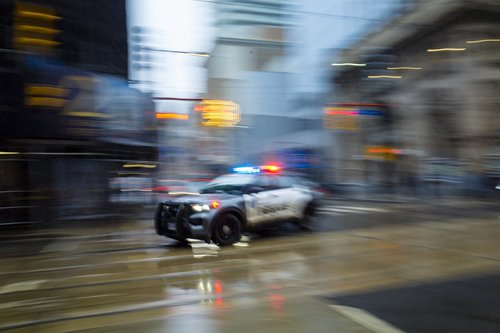
Short answer: When Ontario police signal you to stop, pull over safely, stay in the vehicle, produce your driver's licence, vehicle ownership and proof of insurance when asked, and avoid volunteering statements that could be used against you.
Getting pulled over in Ontario can be nerve-wracking, but understanding your rights and responding correctly can prevent legal complications. This guide outlines what to expect, your rights, and how to handle police stops effectively, including DUI-related stops.
Key Takeaways
- Legal grounds for stops: Police can stop vehicles for highway-safety purposes (including licence, insurance, vehicle fitness and sobriety checks), for suspected Highway Traffic Act violations, or where they have grounds to investigate a criminal offence. Random or planned checkpoints are part of that framework.
- Your rights: You generally do not have to answer investigative questions beyond what the law requires. On a traffic stop, you must produce required driving documents. If you are arrested or detained for a criminal investigation, you have the right to consult a lawyer and to be told why.
- Effective interaction: Stay calm, remain in your vehicle unless directed otherwise, and comply with lawful requests.
- Avoid self-incrimination: Be polite, but do not volunteer admissions about speeding, drinking, or other alleged offences.
- DUI defence: If a stop results in impaired-driving charges, seek prompt legal advice.
When driving the streets and highways of Ontario, the last thing you want to see in the rear-view mirror is flashing blue lights. If you're looking through the side mirror, those blue lights may be "closer than they appear," but they're going to catch up to you unless you decide to make a run for it.
Naturally, the criminal defence lawyers of TorontoDUI would advise you against such a rash move. The consequences will likely be more severe than they would have had you taken the correct lawful action of pulling your vehicle over to the side of the road to come to a safe stop. Of course, we're assuming for this exercise that you are generally a law-abiding person who has not just robbed a bank, gunned down a romantic rival, or is in the process of transporting 50 kilos of cocaine for Greater Toronto Area distribution.
Assuming the former, let's examine what you — the law-abiding person you are — should do if you get pulled over by the Ontario Provincial Police, the RCMP, Toronto Police, or any other legal entity with flashing blue lights.
Legal Reasons Police Can Pull You Over
Ontario drivers are most often stopped under the Highway Traffic Act (HTA). Under HTA authority, police may stop a motor vehicle for highway regulation and safety purposes — including checking for a valid driver's licence, vehicle registration, proof of insurance, vehicle fitness, and driver sobriety. That power can support random or selective stops for those road-safety purposes, and the Supreme Court of Canada has upheld checkpoint and random vehicle-stop regimes of that kind. This includes stopping drivers at random or planned checkpoints . Police may also stop a driver for a suspected traffic violation, which is how most everyday stops begin.
Separately, police may stop and briefly detain a person where they have a reasonable suspicion, based on objectively discernible facts, that the person is connected to a recent or ongoing criminal offence. A bare hunch is not enough. If a stop or detention is later found to have been unlawful, a court may consider Charter remedies — including, in some cases, exclusion of evidence under section 24(2). An unlawful stop does not automatically mean every related charge is dismissed.
During a lawful stop, an officer who has an approved screening device may also make a roadside alcohol-screening demand in the circumstances set out in the Criminal Code , and may demand physical coordination tests or drug screening where the statutory grounds exist.
Your Rights Under Canadian Law if Stopped by Police
Mainly based on the Canadian Charter of Rights and Freedoms , you have distinct rights that police are obliged to respect if they pull you over. These rights include:
- Right to Remain Silent — you generally do not have to answer investigative questions about where you were going, whether you had been drinking, or how fast you were driving. On a traffic stop, however, Ontario law still requires you to produce your driver's licence, vehicle ownership (permit) and proof of insurance when lawfully demanded. Providing those documents is not the same as giving a statement about the alleged offence.
- Right to Legal Representation — if you are arrested, or detained in a way that engages the right to counsel, police must inform you of your right to speak to a lawyer and give you a reasonable opportunity to do so before eliciting a statement. Routine roadside screening demands are treated differently from station breath testing.
- Right to Know the Reason for the Stop — police are generally trained to advise drivers of the reason behind a stop but, if they fail to do so, you can politely ask why you were stopped.
- Right to Privacy — a routine traffic stop does not, by itself, give police a general power to search your vehicle. Absent consent, a warrant, or lawful grounds (for example, reasonable grounds to believe evidence of a crime is in the vehicle, plain-view observations, or a search incidental to a lawful arrest), an exploratory search can engage section 8 of the Charter . If you are under arrest, police can also conduct a pat-down search for weapons or evidence.
- Right to Be Informed of the Charges — if police place you under arrest, they must tell you what you are facing and inform you of your right to consult a lawyer.
- Right to Record Your Interaction with Police — the police cannot generally prevent you from recording their actions in a public place; however, there is often a thin line between recording and interfering with the officer's performance of their duty.
Q: Can police search your vehicle during a traffic stop in Ontario?
A: Police need a warrant, consent, or other lawful grounds to search your vehicle. A stop alone is not a blank cheque to rummage through the car. If they believe there is evidence of a crime, they may conduct a search. You can ask for the reason, state that you do not consent if they are seeking permission, and seek legal advice afterward — do not physically obstruct the officer.
Pointers to Help Ease the Stress of a Police Stop
While the sight of blue flashing lights and subsequent interaction with police often seems stressful, know that it's stressful for them, too. When police pull a driver over or stop a vehicle at a checkpoint, they don't know what they might be getting into. Sure, you might be a law-abiding citizen, but for all the police know, you're transporting 50 kilos of coke and carrying an assault rifle to protect your load. To ease the stress for both you and them during a stop, we offer you the following pointers.
When you see those flashing blue lights slow down and start looking for a safe place to pull over. If a breakdown lane or other safe spaces seem limited, slow down a bit more and engage your emergency flashers to let the officer know that you are trying to comply.
Once you find a safe stopping space, make sure you engage your turn signal to let the officer know you are coming to a stop.
When you stop, turn off your engine. Leaving your motor running could suggest that you might decide to make a break for it. Oh, and if you've left it on, turning it off will be one of the first things the officer requests of you.
If you've been pulled over at night, turn on your overhead interior light. Because of limited visibility, police generally find nighttime stops to be the most stressful. By turning on your overhead light, the officer can see inside the vehicle, which can help ease their potential stress.
Whether day or night, try to refrain from making too many movements within the vehicle. Excessive movements may suggest that you're hiding contraband or seeking a weapon. Drivers often reach into the glove box or armrest console for their registration and insurance information, but don't make an extended search for it until the officer asks for it.
You and your passengers should remain in the vehicle. If you have a legitimate reason for needing to exit the vehicle while on the side of the road, ask for permission first.
Roll your window down all the way, preferably before the officer gets there and taps on the glass. If it's excessively cold, you can wait until you see them exit their vehicle from your side- or rear-view mirror.
While you have the right to remain silent about investigative questions, being polite and respectful goes a long way in defusing stress. You can say hello, identify yourself, and produce the documents the officer lawfully demands. From a legal standpoint, be silent about any information that might incriminate you for any perceived or alleged offences. i.e., don't say something like, "Yes, I was going over the speed limit, but…" or "I only drank two margaritas, and that was three hours ago."
Should you disagree with any allegations made by police regarding the reasons for the stop, do not try to argue your way out of it.
If an officer asks you to exit the vehicle, comply with that request and cooperate with any other reasonable directives.
Should an officer make a lawful demand for roadside alcohol or drug screening or a field sobriety test , know that failing or refusing to comply, without a reasonable excuse, can lead to a separate Criminal Code offence with serious consequences. Do not treat a roadside demand as optional.
If the Police Stop Results in a DUI, Contact TorontoDUI
We trust that this article will help you successfully navigate any experience you have with flashing blue lights in your rear-view mirror. Should a police stop result in DUI-related charges, we suggest you contact us for a robust impaired driving defence . With more than 15 years of success in defending thousands of Greater Toronto Area clients from DUI-related charges, contact TorontoDUI for a free consultation.