The Ignition Interlock Device—What You Need to Know
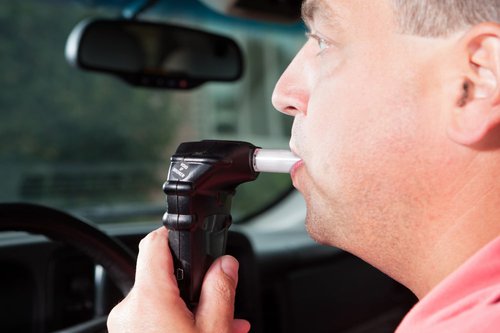
If you are convicted of driving while under the influence (DUI) charges in the Toronto area, you need to familiarize yourself with Ontario's Ignition Interlock Program. Participating in the program is a mandatory component of reinstating your license after you have complied with other conditions of your DUI sentence, which can include at a minimum:
- One-year license suspension for a first Criminal Code impaired-driving conviction (longer for subsequent convictions).
- Criminal Code penalties that can include a minimum fine (commonly at least $1,000 on a first offence) and, depending on the circumstances, possible jail time.
- Mandatory enrollment in Ontario's " Back on Track " education/treatment (remedial measures) program.
- In some cases—especially when seeking removal of an ignition interlock condition after a Criminal Code conviction, or after certain repeat convictions—a medical or substance-use assessment.
While the Ignition Interlock Program serves as one of many sticks to encourage sober and safe driving, the Ontario government is also using it as a carrot to encourage faster resolutions of DUI trials in the Crown's favor. Persons who plead guilty to the charges within a designated time period may be eligible to reduce their driver's license suspension period with the installation of an ignition interlock device.
This Reduced Suspension with Ignition Interlock Conduct Review Program can also be accessed by first-time offenders who do not plead guilty, though the conditions for approval are more difficult to meet. But more on this program's details further below, after we have covered the basics.
Understanding the Ignition Interlock Device
Ontario's Ignition Interlock Program relies on an in-vehicle breathalyzer machine that prevents your car from starting if it detects blood alcohol concentrations (BACs) over a pre-set limit. The device is linked to your vehicle's ignition system and requires you to blow into it prior to starting—If you don't blow, you won't go. You're also not going to go anywhere if you blow over the 20 mg of alcohol per 100 ml of blood limit (BAC 0.02). Additionally, to ensure that you're not tempted to tipple while on the road, the device periodically requests random breath samples while you're driving. Failure to provide a breath sample or exceeding the limit will cause the car to activate your lights and horn in an alarm-like fashion until you pull off the road and turn off the ignition.
How Does Ontario's Ignition Interlock Program Work?
If you're convicted of a DUI-related criminal charge or receive three administrative suspensions (for example, warn-range BAC of 0.05 or higher but under 0.08) within 10 years, this device will likely become part of your driving life. After you have fulfilled all other conditions of your sentence—including the license suspension term—your license will be reinstated with an ignition interlock designation. This mandates the installation of an ignition interlock device on your own vehicle(s) and/ or only allows the legal driving of vehicles equipped with such. The ignition interlock mandate is applicable for:
- Minimum six-months for administrative suspension violations.
- Minimum of one year for first-time offenders.
- Minimum of three years for second-time offenders.
- Minimum of six years for third-time offenders following a minimum 10-year license suspension.
That said, for many offence dates you can decline to install an ignition interlock device on your own vehicle(s); however, you are not legally allowed to drive any unequipped vehicle until the ignition interlock condition has been removed. Perhaps needless to say, but this essentially lengthens the duration of your inability to drive lawfully, with similar penalties if you're caught driving without an ignition interlock-equipped vehicle. For Criminal Code impaired-driving convictions with an offence date on or after July 1, 2026, Ontario requires installation; if you install within 30 days of license reinstatement and comply with the program, you may be eligible for shorter ignition interlock condition periods (Ontario currently lists a minimum of nine months for first-time offenders and two years for second-time offenders). After that "I" condition is removed for those post–July 1, 2026 offences, Ontario also imposes a minimum six-month "P" condition (no alcohol and no drugs in your system while driving).
Program Comes with Stringent Conditions, High Costs
When enrolled in the Ignition Interlock Program and/or its related Reduced Suspension with Ignition Interlock Conduct Review Program, you must follow numerous conditions to remain in compliance with the program. Naturally, if you are caught for any impaired driving-related offence, you risk expulsion from the program and a re-suspension of your license. Other program violations that can result in program expulsion include:
- Driving any vehicle without an ignition interlock device.
- Failing to install an approved device within 30 days of conditional license re-instatement.
- Uninstalling the device.
- Tampering with the device.
- Missing an appointment with an ignition interlock service provider.
Those enrolled in the Reduced Suspension with Ignition Interlock Conduct Review Program undergo periodic performance reviews that monitor device activity. If the device shows that a participant has blown over the BAC of 0.02 when trying to start their car, or missed a required rolling re-test, Ontario can extend the ignition interlock period—commonly by three months for first-time offenders (when the failure falls in the monitoring window Ontario applies) and by longer periods for subsequent convictions. Missing a performance review can also attract extension or other program consequences.
In addition to stringent program requirements, participation in the program(s) is costly, with fees covering installation, removal, monitoring, calibration, and related service-provider charges commonly adding up to roughly $1,500 per year or more, and rising beyond $2,000 depending upon the service provider and vehicle to be equipped. Exact fees are set by approved providers (such as Smart Start Canada and ALCOLOCK Canada), not as a single fixed government tariff.
Get Your License Suspension Reduced
Those who plead guilty to a first-time alcohol-impaired DUI-related charge may be able to reduce their license suspension term to a minimum of three months through Stream A of the Reduced Suspension with Ignition Interlock Conduct Review Program (followed by a minimum nine-month ignition interlock period, subject to any longer court prohibition). Second-time offenders who plead guilty may be eligible under Stream D for a reduction of their three-year suspension to a minimum of nine months (followed by a minimum 18-month ignition interlock period). First-time offenders who don't plead guilty, or who miss Stream A timelines, may still be eligible for Stream B—a minimum six-month suspension followed by a minimum 12-month ignition interlock period—depending upon eligibility and the court's sentence upon conviction.
Eligibility requirements are strict and offenders must be in compliance with all other terms of their sentence and have completed the assessment component of the Back on Track program. Stream A and Stream D guilty-plea pathways require conviction, sentencing, and a driving prohibition order within 90 days of the offence date (Ontario's published rule; temporary COVID-era expansions of that window are no longer the current standard).
Although the program certainly seems enticing to those who can't stand the thought of a long-term driver's license suspension, we suggest that anyone contemplating a DUI guilty plea consult with a skilled lawyer to ensure that all legal options are fully considered. While that guilty plea might expedite the return of your driving privileges, it comes with numerous other legal penalties and disruption to your life, not to mention a criminal record.
FAQ
What is an ignition interlock device?
It is an in-vehicle breathalyzer linked to the ignition. In Ontario's program, the vehicle will not start if you do not provide a sample or if your breath reading is over the program limit of 20 mg of alcohol per 100 ml of blood (BAC 0.02). Random rolling re-tests apply while you drive.
How long is the ignition interlock condition after a Criminal Code conviction?
Ontario's published minima are commonly one year for a first conviction, three years for a second, and six years for a third (after a lengthy suspension). Exact length still depends on the offence history, court orders, and whether you are in a reduced-suspension stream. For many offence dates on or after July 1, 2026, Ontario also lists shorter "I" periods if you install promptly and comply, followed by a minimum six-month "P" no-alcohol/no-drugs driving condition.
How much does the Ontario Ignition Interlock Program cost?
Provider fees for installation, removal, monitoring, and calibration commonly total roughly $1,500 per year or more, and can exceed $2,000 depending on the provider and vehicle. Exact amounts are set by approved service providers, not as one fixed government tariff.
Can a guilty plea shorten my licence suspension?
Sometimes. Stream A (first offence) and Stream D (second offence) of the Reduced Suspension with Ignition Interlock Conduct Review Program can shorten the suspension if you meet Ontario's eligibility rules — including, for those streams, conviction and sentencing within 90 days of the offence date. A guilty plea still creates a criminal record and other penalties, so it should not be treated as an automatic shortcut.
Consult with TorontoDUI to Determine the Optimum Resolution of your DUI Case
If you have been charged with a DUI in the Greater Toronto Area, you'll need to consider how various outcomes may impact your life. While securing an expedited return of driving privileges with a guilty plea may seem tempting, experienced DUI lawyers are highly adept at strategizing a defence that can potentially lead to a more favorable outcome. Your DUI lawyer can analyze the details of your case to determine the best approach and assess the chances of securing withdrawal of charges, reduced charges, dismissal, or outright acquittal.
With more than 15 years of successfully defending Greater Toronto Area DUI defendants, the criminal trial TorontoDUI lawyers have proven highly effective at securing favorable outcomes for their clients. If you or someone you know has been charged with a DUI-related offence in the GTA, contact the highly skilled lawyers at TorontoDUI for a free consultation.