What is DUI Based on Failure to Provide a Suitable Breath or Blood Sample?
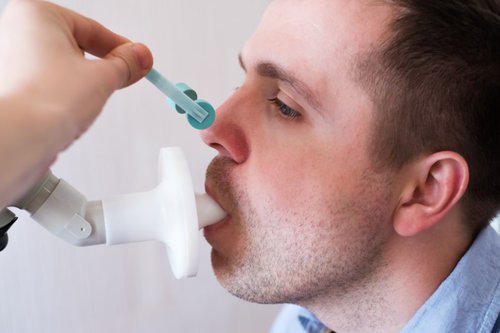
According to Statistics Canada data , Canadian police agencies charge relatively few motorists for the driving under the influence (DUI) offence of refusing to provide a breath or blood sample to assess potential impairment. For example, in 2024, Ontario police arrested just over 15,000 motorists for DUI, of which less than 650 were charged with failing or refusing to comply with a demand for a breath sample to test for alcohol impairment. Just under 40 were charged with failing to provide a blood sample to test for drug-impaired driving.
“These numbers seem surprising to us,” says TorontoDUI co-founding partner Jeff Mass, “because so many of our DUI clients ask us what happens if a driver refuses to take a breathalyzer test or provide a blood or urine sample in Ontario?”
Jeff’s TorontoDUI co-founding partner Robbie Tsang chimes in, “Our answer to this question is simple: you’d be facing the same charges and penalties as a standard DUI. This is codified in the Criminal Code under Section 320.15 , which makes it illegal to fail to complete or refuse to comply with the various tests police use to assess impaired driving. This includes physical coordination testing, roadside breath screening, roadside drug screening, breathalyzer testing, drug evaluation assessment, blood testing, and urine testing.”
While the Statistics Canada data suggests that most Canadian motorists comply with police demands for alcohol and drug screening, some people remain confused about how the law works. Thus, TorontoDUI will examine what it means to refuse a breathalyzer in Canada, or otherwise fail to comply with alcohol and drug screening to assess impairment, with a review of the top frequently asked questions we hear about the topic.
What Happens if you Refuse to Give a Blood or Breath Sample?
Whether during roadside screening or at the police station, this is a Section 320.15 DUI offence. The Criminal Code describe it as:
“Everyone commits an offence who, knowing that a demand has been made, fails or refuses to comply, without reasonable excuse, with a demand made under section 320.27 or 320.28.”
Section 320.27 of the Code outlines how police officers may legally require roadside coordination testing, breath screening, or drug screening. As of 2018, changes to Canada’s DUI laws mean that police no longer need to have reasonable suspicions or evidence that a driver may have been impaired before they can demand roadside testing. As long as they have an approved screening device in their possession, they can demand a breath sample from any driver they’ve pulled over or stopped at a roadblock.
Section 320.28 explains the legalities of police demands for suspected impaired drivers to submit to police station testing to detect alcohol or drug concentrations. Under this section, police can demand that suspects submit to breathalyzer testing, blood screening, oral fluid screening, or the 12-step drug recognition expert (DRE) evaluation. These two sections are further combined with Sections 320.29-320.4 of the code, which lay out strict protocols under which the police must conduct the different means of screening and testing. Police failure to rigorously adhere to these protocols provides grounds for legal challenges from the accused.
If you commit this offence by refusing a demand made under Sections 320.27 or 320.28 of the Code, police will charge you with DUI, plain and simple.
What Happens If You “Fail” to Provide a Breath Sample?
Under the Code’s language, “failing” to provide a breath sample differs from “refusing” to comply with a demand for one in that the driver tried to produce a sample, but failed to produce a valid result. While both are equally unlawful, language in Section 320.15 provides a defendant with a viable defence “if they have a reasonable excuse for failing or refusing to comply with the demand.” Valid defences that have been successfully raised in court include:
- Medical or physical disability.
- Inadequate instructions from the police officer.
- Device malfunction or calibration issues.
What Are the Refuse Breath Sample Consequences in Canada?
As noted, refusing or otherwise failing to comply with a demand for a blood or breath sample carries the same penalties as a standard DUI upon conviction. Trust us, you do not want to be convicted of the offence because the minimum penalties include:
- $1,000 fine.
- One-year driver’s license suspension.
- Mandatory enrollment in Ontario’s “ Back on Track ” education/treatment program.
- Enrollment in an Ignition Interlock program.
- Minimum $281 in fees for driver’s license reinstatement.
- A permanent criminal record that can jeopardize employment, educational opportunities, and your ability to travel.
A section 320.15 conviction carries much stiffer penalties if the demand was made due to an accident, especially if it caused injuries or death. Dangerous driving, having children in the vehicle, and other aggravating factors also enhance penalties.
What does “failing to provide a specimen” mean?
Failing to provide a specimen is just one of the numerous terms used to describe a Section 320.15 DUI offence of refusing or failing to provide a sample of breath or blood without reasonable excuse, when lawfully demanded by a police officer. Similar terms used in Canada include:
- DUI Refusal to blow.
- Breathalyzer refusal.
- Refuse breath test.
- Fail to provide blood sample.
- DUI refuse screening demand.
- Refuse breathalyzer.
- Failure to comply with breathalyzer demand.
- Refuse roadside screening demand.
- And many more.
Refusing vs Failing to Provide a Breath or Blood Sample
| Term | What It Means | Criminal Liability |
|---|---|---|
| Refusing to provide a sample | Driver explicitly refuses a lawful police demand | DUI offence under s. 320.15 |
| Failing to provide a sample | Driver attempts but does not produce a valid result | DUI offence under s. 320.15 |
| Reasonable excuse | Medical issue, improper instructions, device malfunction | Possible defence |
| No excuse | Non-compliance without valid reason | Same penalties as standard DUI |
Penalties for Failure or Refusal to Provide a Sample (First Offence)
| Consequence | Applies Upon Conviction |
|---|---|
| Criminal conviction | Yes |
| Minimum fine | $1,000 |
| Driver’s licence suspension | 1 year |
| Ignition interlock | Mandatory |
| Back on Track program | Mandatory |
| Licence reinstatement fees | Minimum $281 |
| Criminal record | Permanent |
Valid Defences to “Failing” (Not Refusing) a Sample
| Defence | When It May Apply |
|---|---|
| Medical condition | Asthma, lung disease, physical disability |
| Improper instructions | Officer failed to explain procedure |
| Device malfunction | Calibration or equipment issues |
| Unreasonable demand | Testing not conducted per Code protocols |
Keep Your Driver’s License with Expert DUI Defence in Toronto
However you want to characterize a Section 320.15 impaired driving offence, if you’ve been charged with DUI based on your refusal to comply with, or failure to successfully complete, alcohol or drug screening, secure the legal services of a skilled breathalyzer refusal lawyer in Canada. Or, perhaps we should call ourselves alcohol/drug screening demand refusal lawyers?
Whatever the case, we are highly effective Section 320.15 DUI defence lawyers with a stellar record of defending our Greater Toronto Area clients against all impaired driving-related charges. To learn how we can help you strategize an effective defence to challenge your DUI charges of whatever type, contact TorontoDUI today for a free consultation.