How Likely is a Judge to Sentence Me to Jail Time for a First-Time DUI in Ontario?
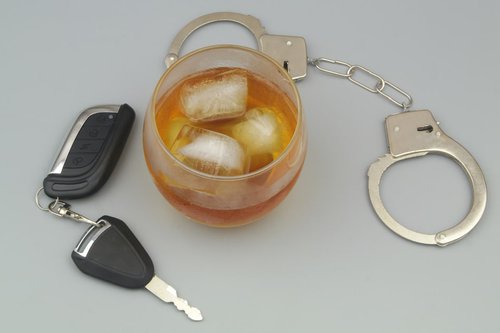
The quick answer is that jail is unlikely for a typical first-time DUI in Ontario without serious aggravating facts. It is not impossible, though, and there are many things to keep in mind.
If Canadian police arrest you for a first-time driving under the influence (DUI) of alcohol or drugs charge, you probably know that you face severe consequences if you're convicted, including:
- Driver's license suspension
- Fines
- Education or substance abuse treatment programs
- Ignition interlock program requirements
- Insurance premium hikes
- Having a criminal record
- And likely other aggravations
But what of jail time? Are you going to have to spend some time in the clinker? Will you have to try to forge a relationship with your new 230-pound, linebacker-built cellmate "Chuckles," with his multiple scars and "Born to Cause Mayhem," "Savage Forever," and "Kill 'em All!" tattoos? What will the food be like, and do you truly have to worry about dropping the soap?
The criminal defence lawyers of TorontoDUI will advise you that you probably don't have to concern yourself with jail time if convicted of a first-time DUI — the key word being "probably." They will also recommend that you secure the services of highly skilled legal counsel so your case is properly assessed and presented on sentence. While jail time is not mandatory for a first-time DUI, judges have broad discretion to impose sentences of up to 10 years in prison if charged as an indictable offence, and two years less a day when charged — more commonly — as a summary conviction offence.
We will repeat that: up to 10 years in prison if charged as an indictable offence or a maximum of two years less a day when charged summarily. Ouch, and WTF!
Mandatory Minimum Sentencing for DUIs
While there is no mandatory minimum prison sentencing for a first-time DUI conviction, Section 320.19 of the Criminal Code mandates a minimum $1,000 fine for a first-time DUI. If the DUI charge is based on failing or refusing to comply with a lawful BAC or drug screening demand, the minimum fine is $2,000. The minimum fine is also increased to $1,500 for those convicted of an over-80 offence with BAC concentrations equal to or exceeding 120 mg of alcohol in 100 mL of blood but less than 160 mg of alcohol in 100 mL of blood and to $2,000 for concentrations equal to or exceeding 160 mg.
Second indictable or summary DUI convictions carry a mandatory minimum 30-day jail sentence, while subsequent convictions mandate a minimum 120-day term.
Aggravating Circumstances Increase Likelihood of Jail Time
Section 320.22 of the Code lists aggravating factors that judges should consider when determining appropriate sentences for DUI convictions. These factors are:
- The commission of the offence resulted in bodily harm to, or the death of, more than one person.
- The impaired driver was operating the motor vehicle while racing with at least one other motor vehicle or in a contest of speed.
- A person under the age of 16 was a passenger in the vehicle.
- The impaired driver was being compensated for operating the vehicle.
- The impaired driver was operating a large motor vehicle.
- The driver was not permitted by federal or provincial law to operate the vehicle.
- The offender's BAC was equal to or exceeded 120 mg of alcohol in 100 mL of blood.
Not only can these aggravating factors encourage a judge to consider jail time for a first-time DUI, but they may also sway prosecutors to try the case as an indictable offence with its more punishing imprisonment potential.
Judges have the discretion to consider other potentially aggravating conditions, so sticking your tongue out at the judge or making rude gestures towards them during trial is probably not a good idea. In fact, if you were belligerent to police during the arrest or otherwise displayed behaviours indicative of being a menace to society, a judge might decide to teach you a proverbial lesson with a bit of jail time — they do have the power!
We advise our clients to be on their best behavior in the courtroom and to address the judge and other court officials with the utmost respect. Judges value courtroom decorum and take a dim view of those who disrupt it with a lack of courtesy and respect.
First-time DUI Causing Bodily Harm or Death
If you are convicted of a first-time DUI causing bodily harm or death, all bets are off, and you should probably prepare to meet Chuckles. Even though sentencing provisions for DUIs causing bodily harm or death do not include a mandatory minimum prison sentence for a first offence, courts commonly treat these cases much more seriously, and custody is often on the table.
When a DUI causing bodily harm is tried as an indictable offence under section 320.2 , a conviction carries the same mandatory minimums as a standard DUI, but the maximum prison term rises to 14 years. When tried as a summary conviction offence, those convicted face a fine of not more than $5,000, or a maximum prison term of two years less a day, or both, along with the same minimum punishments that apply on indictment.
While a DUI causing death is tried solely as an indictable offence under section 320.21 , the mandatory minimums are the same as they are for a standard DUI. However, it is highly unlikely that a judge would only sentence a first-time DUI-causing-death offender to the mandatory minimum $1,000 fine. With a maximum life sentence in prison, judges have broad discretion in determining appropriate sentences in such cases. Significant prison time is commonly imposed in death cases, and any aggravating factors will likely increase the potential time to be served. Individual outcomes still depend on the facts, the record, and the submissions before the court.
Exceptions to Mandatory Minimum Punishment
Section 320.23 of the Code provides those found guilty of a DUI offence under subsection 320.14(1) or 320.15(1) an exception path to mandatory minimum punishment by allowing the court, with the consent of the prosecutor and the offender and after considering the interests of justice, to delay sentencing so the offender can attend a treatment program approved by the province in which the offender resides. If they successfully complete the program, the court is not required to impose the minimum punishment under section 320.19 or to make a prohibition order under section 320.24, but it shall not direct a discharge under section 730.
For the Best DUI Defence in the GTA, Contact TorontoDUI
If you want experienced counsel assessing custody risk on a first-time or subsequent DUI charge, turn to the expertise of TorontoDUI. Our crack legal team of DUI experts has established a 15-plus-year record of successfully defending thousands of Greater Toronto Area clients from their DUI charges. To start strategizing the most effective defence to challenge your DUI charges, contact us for a free consultation.