DUI Early Resolution versus Trial in Ontario — Which is Smarter?
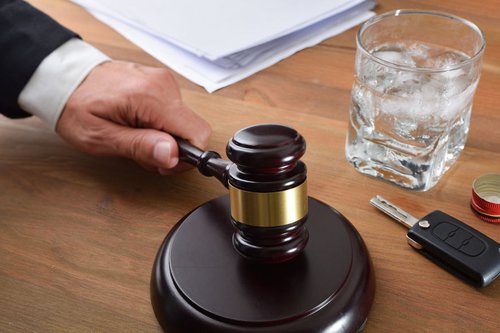
According to the latest criminal court data from Statistics Canada, only 37% of impaired driving charges laid by Ontario police resulted in a conviction during the 2023-2024 reporting period. Of the 28,671 charges addressed by Ontario criminal courts during this period, almost 17,800 were stayed or withdrawn.
How did so many Ontario DUI defendants manage to secure stayed or withdrawn charges, you wonder? The criminal defence lawyers at TorontoDUI will tell you, “Early resolution," which is essentially a form of plea bargaining.
“Many of our impaired driving clients are surprised to learn that our initial DUI case resolution strategy focuses on negotiations with the Crown rather than preparing for trial," says TorontoDUI co-founding partner Robbie Tsang. “More than half our DUI case load is resolved through early resolution, and even our clients who do end up pleading guilty do so under an early resolution agreement that mitigates penalties."
“Naturally, we always strive to avoid an impaired driving conviction and the criminal record that comes with it," says Robbie's TorontoDUI cop-founding partner Jeff Mass. “With some cases, we can uncover enough obvious flaws in the Crown's evidence that we can secure a dismissal during early resolution," he says. “In other cases, we might highlight evidence weakness combined with the driver's clean record and lack of aggravating factors during the incident to convince the Crown to reduce the charges from a DUI to careless driving. However, in some cases, the police have secured overwhelming, mistake-free evidence that limits our ability to devise an effective defence. In such cases, early resolution can help us negotiate the most favourable sentencing terms possible."
Let's review the basics of early resolution and plea bargaining DUIs in Toronto and answer the most frequently asked questions we hear about the subject from our clients.
In Toronto, DUI Judicial Pre-Trial Negotiation is the Norm
First-time alleged DUI offenders in Toronto are often surprised to learn that pre-trial negotiations are such an instrumental component of their case progression. Plea bargaining, as it's commonly called, allows the Crown and defence to negotiate an outcome that negates the need for a trial. Naturally, each side wants to achieve specific goals. The defence wants to secure the best possible outcome for their client, preferably one that precludes a “criminal" conviction. The Crown's goal is to secure a conviction — preferably for criminal DUI — in the interest of upholding the law, protecting public safety, and making an impact on deterring impaired driving.
However, the Crown faces inherent barriers in achieving its DUI conviction goals. The nation's court system is overburdened by a significant criminal case backlog awaiting trial. Proceeding to full trial is time-consuming and expensive, plus prosecutors must be ever mindful of the 18-month deadline the Supreme Court of Canada established in the 2016 R. v. Jordan SCC 27 [2016] 1 SCR 631 decision for bringing a case to trial.
In fact, during the COVID-19 pandemic, the DUI case backlog became so significant that the Ontario court system created a triage system of sorts that enhanced early resolution efforts, allowing many low-level DUI offenders to avoid criminal resolutions. In effect, Crown prosecutors became much more amenable to early resolution defence proposals for low-level, first-time DUI offences with no aggravating factors. While the pandemic ended, the publicly announced provincial Crown prosecutor directive mandating this triage policy has yet to be withdrawn.
Early Resolution for Ontario DUIs in Practice
“Early resolution" plea bargaining is called such because it's designed to reach a settlement before the case advances to trial preparation and related hearings. In general, early resolution discussions begin after the defence has received and reviewed disclosure materials (evidence and police report) from the Crown. Based on case details and the evidence, both sides typically know what goals they plan to pursue during negotiations and often how far they are willing to bend to reach a settlement. Absent an early resolution settlement, the parties start preparing for trial, though further plea bargaining can, and often does, occur.
Primary resolutions DUI offenders can secure through early resolution include:
- Withdrawn or dismissed charges (generally only when the defence exposes obvious flaws in the Crown's evidence).
- Conviction on a lesser offence, like careless driving.
- Withdrawal or dismissal of secondary charges.
- Early eligibility into the ignition interlock program to shorten license suspension.
- Imposition of the minimum sentence possible for the offence.
FAQs: Weighing the Pros and Cons of a DUI trial versus Resolution
Q: What Does “Early Resolution” Mean in a DUI Case?
A: Early resolution in a DUI case means that the Crown and defence have negotiated a settlement early in the legal process that avoids the need to go to a full trial. Negotiated outcomes can include withdrawn or dismissed charges, reduced charges, or mitigation of penalties.
Q: Is Going to Trial Better than a Plea Deal?
A: In most cases, early resolution or other plea bargain arrangements provide a better outcome than going to trial. That said, if your defence lawyer has identified obvious flaws with the Crown's case, they will not hesitate to proceed to trial if the Crown takes a hard line during negotiations. If you ask your lawyer, “Should I go to trial for DUI?" the answer is almost always going to be, “No."
Q: What Are the Risks of a DUI Trial in Ontario?
A: A DUI conviction and its criminal record represent the biggest risk of going to trial, followed by the sentence imposed by the judge.
Q: How Long Does a DUI Trial Usually Take?
A: In Ontario, the processing of a DUI offence in court from arrest to the actual trial date takes between eight and 18 months, with a 10–12-month average in smaller jurisdictions. Courts have a constitutional mandate to ensure that the trial date does not exceed an 18-month threshold. The actual trial typically takes between a half and full day, though more complex cases can drag out for longer.
Q: Can an Early Resolution Lead to Reduced Charges?
A: Absolutely. If your defence lawyer is unable to negotiate a dismissal or withdrawal due to the strength of the Crown's evidence, they might be able to negotiate for reduced charges, especially if the case involves a first-time offence with no aggravating factors.
Q: What Factors Influence Whether a Trial or Resolution is Better?
A: The perceived strength or weakness of the Crown's evidence is the primary factor both sides consider in determining whether to seek early resolution or take the case to trial. The presence or absence of aggravating factors and existing criminal record can also play a role in this determination. From the Crown's perspective, an early resolution is preferable to the extent that it can help alleviate the overburdened court system and mitigate the expense of a full trial. Both sides also benefit from eliminating the uncertainty of trial outcomes.
Q: Will an Early Resolution Still Appear on My Record?
A: Only if the resolution involves the retention of a criminal DUI-related conviction, such as when it leads to reduced penalties.
Consult with TorontoDUI for Outstanding Early Resolution Outcomes
The criminal defence DUI lawyers of TorontoDUI are highly adept at negotiating with Crown prosecutors to secure favourable outcomes for their Greater Toronto Area impaired driving clients. From exposing weaknesses in the Crown's case to skillful negotiations, we've navigated 1,000s of clients towards a successful early resolution. To secure outstanding legal assistance to resolve your DUI charges, contact TorontoDUI today for a free consultation.