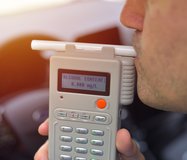
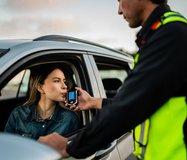
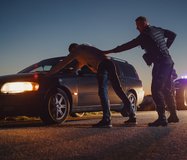
Mandatory alcohol screening (MAS) been the law of the land since December 2018. Yet, many motorists do not realize that Canadian police officers can demand MAS from any driver on a public road. "The lack of public awareness about mandatory alcohol screening seems surprising," says ...
According to the latest criminal court data from Statistics Canada, only 37% of impaired driving charges laid by Ontario police resulted in a conviction during the 2023-2024 reporting period. Of the 28,671 charges addressed by Ontario criminal courts during this period, almost 17,800 were stayed or withdrawn.
Given the significant number of DUI Charter violations in Ontario, let’s further examine your Charter Rights in a DUI stop and the primary breathalyzer evidence Charter challenges. We’ll review the basics by answering the most frequently asked questions we hear from our clients about Charter Rights and DUIs.
According to Statistics Canada data, Canadian police agencies charge relatively few motorists for the driving under the influence (DUI) offence of refusing to provide a breath or blood sample to assess potential impairment. For example, in 2024, Ontario police arrested just over 15,000 motorists for DUI, of which less than 650 were charged with failing or refusing to comply with a demand for a breath sample to test for alcohol impairment. Just under 40 were charged with failing to provide a blood sample to test for drug-impaired driving.
Can you drive after a DUI in Ontario? Learn how the ignition interlock program, eligibility rules, and license reinstatement options impact your driving rights.